A quality roofing project starts long before the first shingle is installed. Whether you're planning a roof replacement, addressing ongoing leaks, or evaluating the condition of an aging roof, choosing the right roofing contractor can make a significant difference in the results.
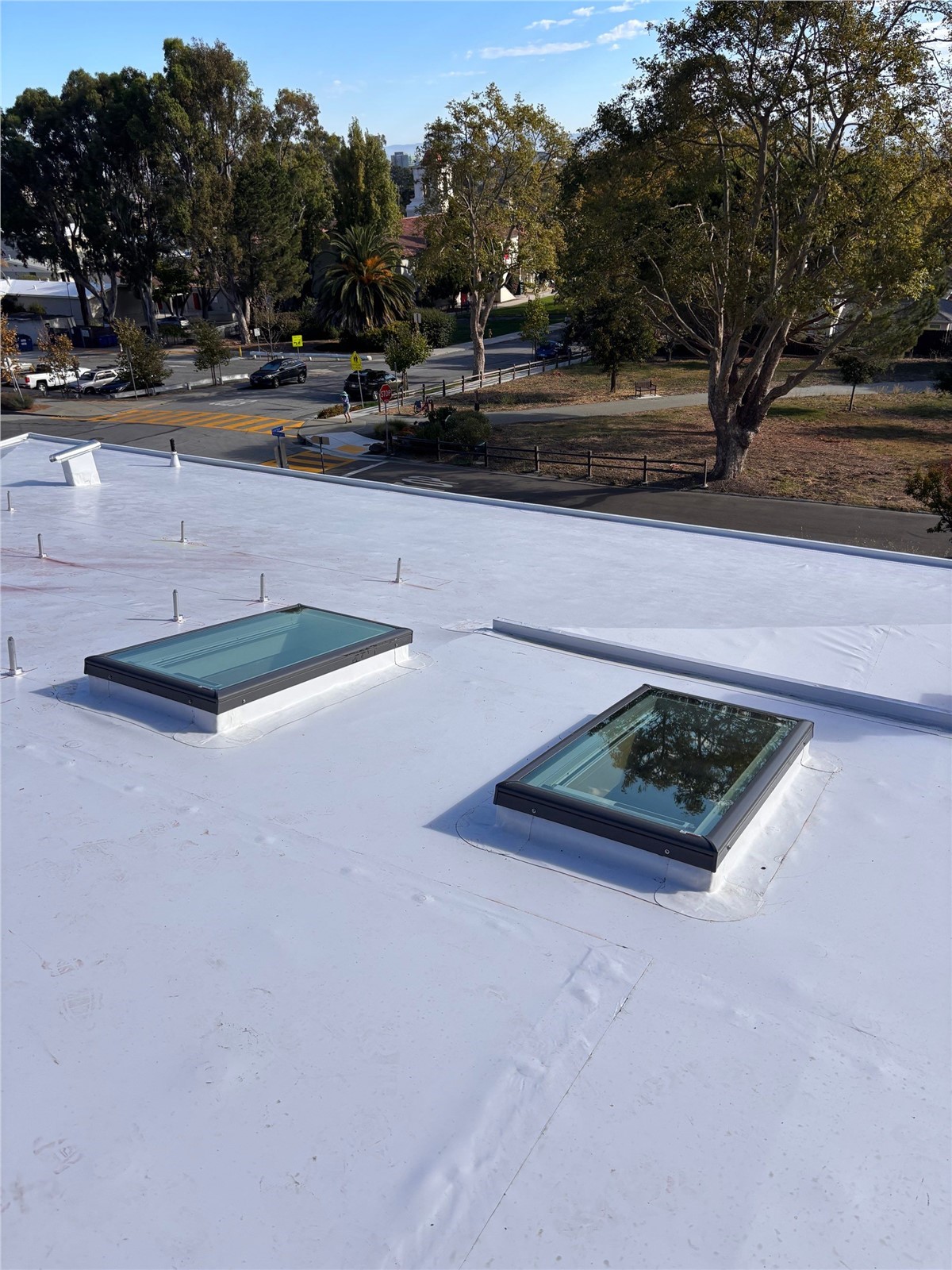
For homeowners in San Francisco and throughout the Bay Area, finding a roofing company involves more than comparing estimates. It's important to understand the materials being recommended, the installation process, and the experience of the people completing the work.
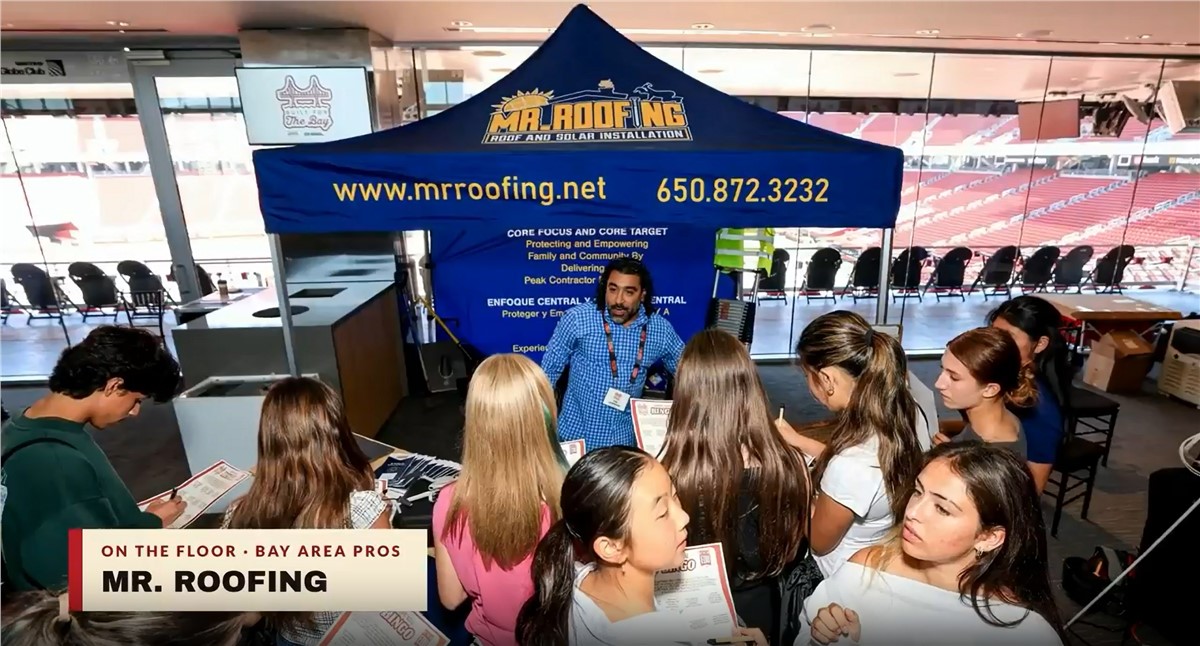
Mr. Roofing President Carlos Rodriguez recently shared his perspective on what makes a quality roofing project in a Diamond Certified expert interview. His advice centers on five important considerations: problems, products, processes, people, and price.
Here's how homeowners can use these five factors to make a more informed roofing decision.
1. Problems: Understand Your Roof's Condition Before Choosing a Solution
Not every roofing problem requires a complete replacement. Leaks, damaged materials, aging components, and ventilation issues can have different causes, and understanding the underlying problem is essential before deciding how to address it.
A professional roofing assessment should look beyond visible damage to evaluate the overall condition of the roofing system.
Before moving forward, consider asking:
What is causing the roofing problem?
Is a repair a practical long-term solution, or is replacement recommended?
Are there underlying issues that could affect the new roof?
How will the recommended work help prevent future problems?
For Bay Area homeowners, exposure to coastal moisture, wind, seasonal rain, and varying microclimates can also influence roofing performance.
The goal is to understand what your roof needs, not simply purchase the most expensive solution.
2. Products: Choose Roofing Materials That Fit Your Home
Roofing materials aren't one-size-fits-all. The right choice depends on your home's architecture, roof design, local climate, budget, and long-term maintenance expectations. Common roofing options include asphalt shingles, metal roofing, and other systems designed for specific roof types and performance requirements.
When comparing materials, consider:
Durability: How well will the material perform under local weather conditions?
Maintenance: What ongoing care will the roofing system require?
Energy efficiency: Could the roofing system help manage heat and improve overall home comfort?
Appearance: Does the material complement your home's architectural style?
Warranty coverage: What protections are available for the materials and installation?
A knowledgeable roofing contractor should explain the advantages and limitations of different options rather than recommending the same product for every home.
3. Processes: Know What to Expect During Your Roofing Project
Even high-quality roofing materials can underperform when installed incorrectly. That's why the installation process is just as important as the products themselves. Before hiring a contractor, homeowners should understand how the project will be managed from the initial assessment through the final inspection.
Important questions include:
What preparation is required before installation begins?
How will landscaping, driveways, and surrounding property be protected?
What happens if hidden damage is discovered?
Who will communicate project updates and scheduling changes?
How will the completed work be inspected?
What cleanup procedures are included?
A well-organized roofing project should include clear expectations, consistent communication, and attention to the details that contribute to long-term performance. At Mr. Roofing, helping homeowners understand the roofing process is an important part of making informed decisions about their homes.
4. People: Look Beyond the Company Name
The experience and professionalism of the people completing your roofing project matter. A roofing contractor may offer competitive pricing and quality materials, but homeowners should also evaluate the company's qualifications, communication practices, and track record.
Before selecting a roofing company, consider:
Is the contractor appropriately licensed and insured?
Does the company have experience with similar roofing systems and properties?
Can they provide examples of completed local projects?
Are independent customer reviews available?
Who will oversee the installation and answer questions?
How does the company handle concerns after the project is completed?
Independent resources, including Diamond Certified, can provide additional insight when researching contractors. Carlos Rodriguez's Diamond Certified interview also emphasizes the importance of communication and helping homeowners understand the work being performed.
A good roofing contractor should make you feel informed and confident throughout the project—not pressured into making a quick decision.
5. Price: Compare the Value, Not Just the Bottom Line
Roofing is a significant investment, and understanding what you're paying for is essential. When comparing estimates, the lowest price doesn't necessarily represent the best value. Differences in materials, labor, project preparation, warranty coverage, and the scope of work can affect both the initial cost and long-term performance.
Rather than comparing only the final totals, review what's included in each proposal. Ask questions such as:
- Are the proposed materials and installation methods clearly identified?
- Does the estimate explain the full scope of work?
- Are removal, disposal, and cleanup included?
- How will unexpected repairs or additional work be handled?
- What warranties are provided?
- Are payment terms and project expectations clearly documented?
A detailed estimate should help you understand where your investment is going and what you can expect from the completed project. Taking the time to compare proposals carefully can help prevent misunderstandings and unexpected expenses.
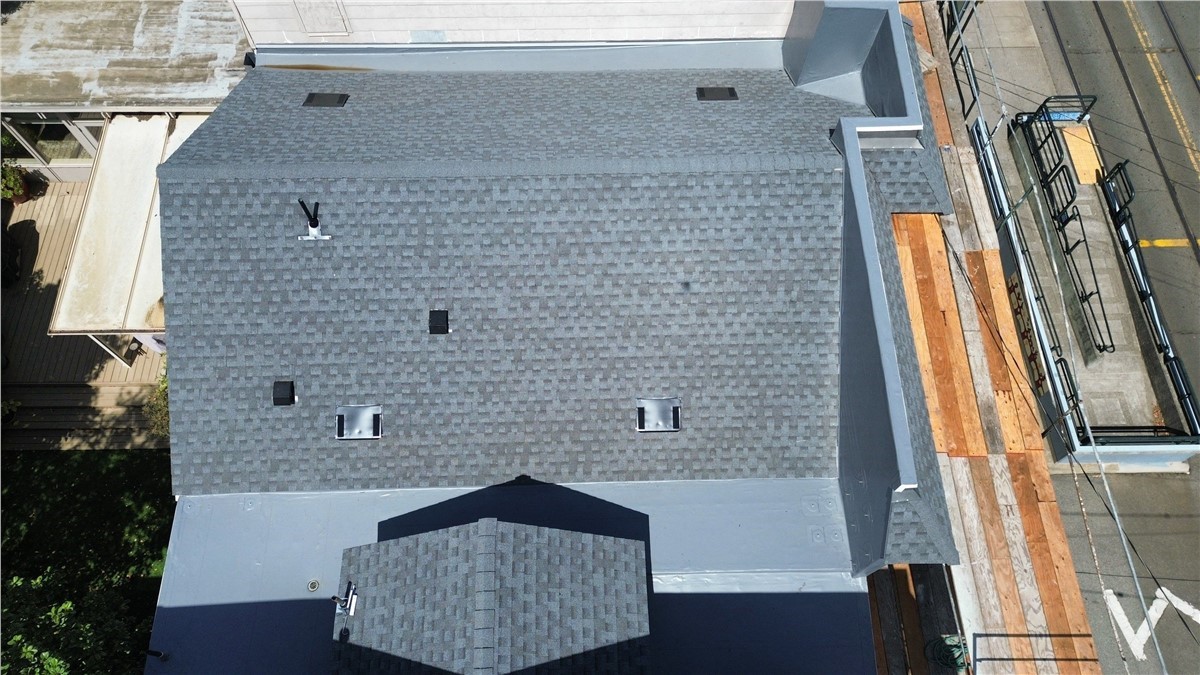
Why Choosing the Right Roofing Contractor Matters in the Bay Area
Homes throughout San Francisco, South San Francisco, and the surrounding Bay Area face a variety of roofing challenges. Coastal moisture, strong winds, seasonal rainfall, and differences in property age and architecture can all influence roofing requirements. Older homes may also have existing roofing conditions that require additional evaluation before repairs or replacement.
Working with a roofing contractor familiar with local conditions can help homeowners identify appropriate materials, understand potential challenges, and make decisions based on their property's needs. A quality roof isn't simply about how it looks when installation is complete. It's about how the entire roofing system performs over time.
Get Expert Guidance Before Your Next Roofing Project
Choosing a roofing contractor doesn't have to be overwhelming. By focusing on the five P's—problems, products, processes, people, and price—you can ask better questions, compare proposals more effectively, and feel more confident about your investment.
At Mr. Roofing, we believe homeowners deserve clear explanations, thoughtful recommendations, and a roofing solution that makes sense for their property.
Ready to discuss your roof?
Whether you're dealing with an existing roofing problem or planning a future replacement, our team can help you understand your options and determine the next steps.
Schedule Your Free Roofing Inspection
Additional Resource: Expert Roofing Advice From Carlos Rodriguez
Want to learn more about what goes into a quality roofing project? Read How to Get a Quality Roof Job: A Conversation With Carlos Rodriguez on Diamond Certified for additional insights from Mr. Roofing's President.
Subscribe to Mr. Roofing's Blog





Comments