San Francisco Roofing Costs
Click any zone on the diagram to understand what it is, what drives its cost, and why it matters to your quote. Toggle between pitched and flat roof systems.
Tap or click any highlighted area on the roof diagram to learn what it is, what drives its cost, and why it matters to your total project price.
The plywood or OSB layer beneath your shingles is the foundation of everything. If it's rotted or damaged, it must be replaced before new materials go on — this is one of the most common sources of cost surprises after work begins.
🔴 High cost impactThe ridge is the highest point where two roof slopes meet. Ridge cap shingles protect this vulnerable seam from water infiltration. Ridge vent installation here also affects attic ventilation costs, which tie directly into energy efficiency and material lifespan.
🟡 Moderate cost impactAnywhere your roof meets a vertical surface — a chimney, wall, or dormer — requires metal flashing to create a watertight seal. This is precision metalwork: flashing replacement is skilled labor and adds to project time and cost, especially with older or brick chimneys.
🔴 High cost impactSkylights require flashing and sealing both during installation and at replacement time. Each skylight adds complexity, labor, and material cost. A roof replacement is also the ideal time to replace aged skylight seals — doing so later means re-opening finished work.
🟡 Moderate cost impactThe eave is the lowest edge of the roof. This area gets ice damming and wind-driven rain damage first. Ice and water shield (a self-adhering membrane) is installed here for protection. Gutter replacement is often bundled with re-roofing for efficiency and consistent warranty coverage.
🟢 Lower cost impactThe 6 biggest variables in any roofing estimate
Hover each card to understand why these factors matter — and what questions to ask your contractor about each one.
Roofers measure in "squares" (10×10 ft). Steeper pitches require safety equipment and slower work, adding labor cost independent of material quantities. A 12/12 pitch can cost 40–60% more in labor than a 4/12 pitch of the same square footage.
The material is often the single largest line item. Entry-level asphalt shingles and premium standing-seam metal can differ dramatically in cost per square — but premium materials typically require fewer replacements over a home's lifespan.
Every valley, hip, dormer, and penetration (chimney, pipe, vent) requires extra flashing and cuts, multiplying labor hours. A simple gable roof and an equally-sized hip-and-valley roof can differ substantially in install time and complexity.
Rotten or soft decking isn't visible until tear-off begins. Reputable contractors include a per-sheet deck replacement rate in their bids. If yours doesn't account for this, budget for it yourself — it's one of the most common sources of post-start price adjustments.
Most building codes allow two layers of shingles. If your home has two, full tear-off is required before re-roofing. Tear-off adds labor and disposal cost — typically significant per roofing square — and is non-negotiable with most insurance and warranty programs.
San Francisco's labor market, hillside access challenges, limited staging space, and permit requirements all contribute to a higher cost baseline than national averages. Homes with steep driveways, tight lots, or HOA restrictions add additional planning cost.
Which roofing material makes sense for your home?
Each material is a different trade-off between upfront cost, longevity, weight, and appearance. Here's what matters most about each.
The long-proven thermoplastic system. Extremely flexible and resistant to UV and ozone degradation. Black surface absorbs heat, which can increase cooling costs — though white-coated versions are available. Seams are adhesive-bonded rather than welded, making installation technique critical.
A multi-ply system using asphalt-infused sheets applied in layers with a torch or cold adhesive. Extremely durable when properly installed. The multi-layer approach provides redundancy — a small defect in one layer doesn't immediately mean a leak. A strong choice for roofs with moderate foot traffic or mechanical equipment.
The most popular modern flat roofing choice. Heat-welded seams make it highly water-resistant. Reflective white surface qualifies for California cool-roof requirements, reducing cooling loads. Compatible with solar installations. Requires a skilled installer — weld quality is everything.
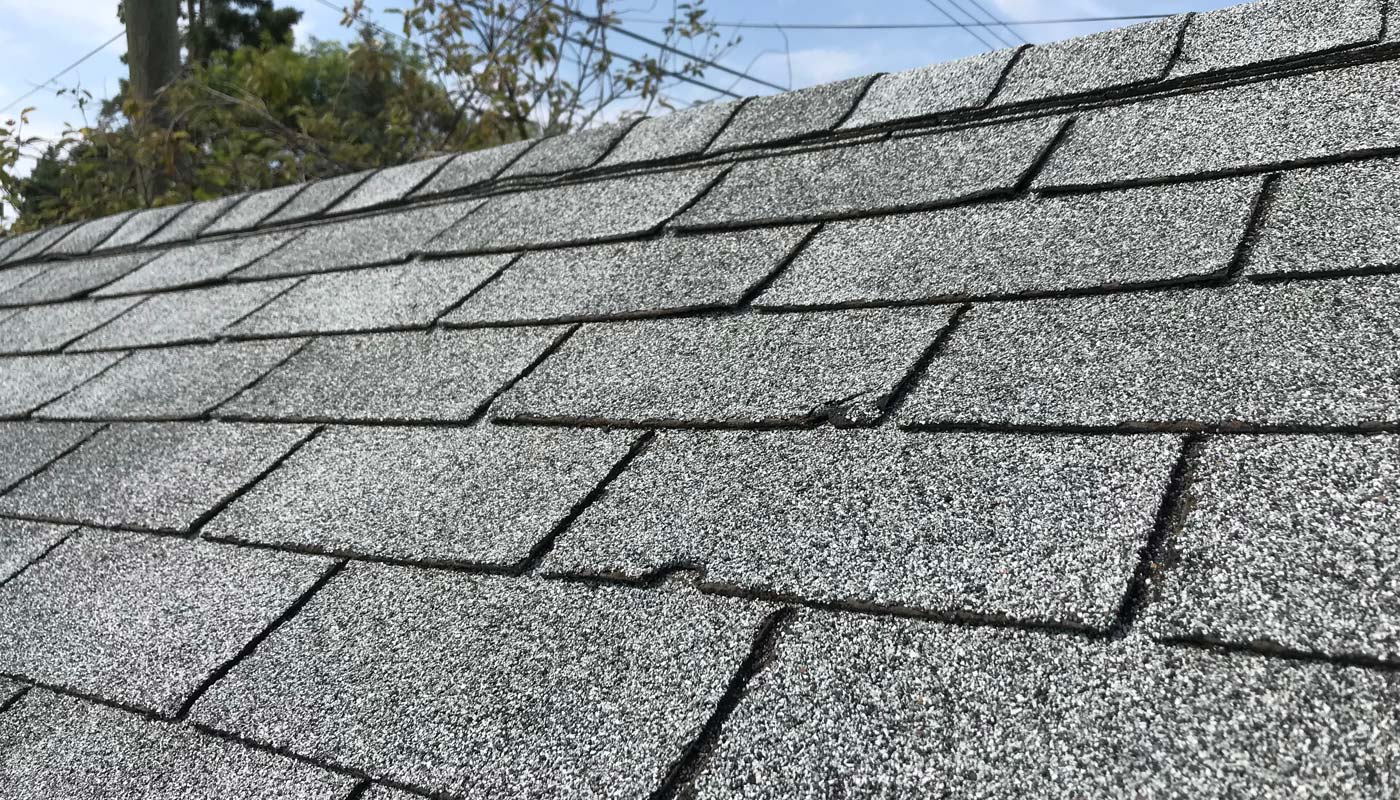
The most common choice in the Bay Area. Available in 3-tab (basic) and architectural (dimensional) grades. Architectural shingles offer significantly better wind and warranty performance for a modest premium.
Common in Bay Area Mediterranean and Spanish-style homes. Extremely durable and fire-resistant, but heavy — older homes may need structural assessment before installation. Color holds well over decades.
Standing seam metal is the fastest-growing premium category. Excellent for flat-to-low pitches, fire resistance, and energy efficiency. Higher upfront cost is often offset by its very long service life and minimal maintenance.
Valued for their natural appearance and insulating properties. Cedar shake requires more maintenance and periodic treatment. Some Bay Area jurisdictions have fire restrictions — verify local codes before specifying wood roofing.
The premium choice with a genuinely generational lifespan. Natural slate installations on properly prepared structures can last a century or more. Requires specialist installers and structural assessment — not appropriate for every home.
Modern composites replicate the look of slate, wood, or tile at a fraction of the weight and cost. Often Class 4 impact-rated, which can reduce insurance premiums. Quality has improved dramatically — worth considering for any style replication project.
Common roofing cost misconceptions
Things homeowners believe about roofing prices — some true, some not. See how you do.
You've cleared the deck. Now the only number that matters is yours — and that starts with a free inspection.
Get My Free Inspection →Someone Looking Out for Your Family Every Step of the Way
Every family deserves a trusted guide throughout the remodeling process. That's why Mr. Roofing provides a dedicated Project Advisor who helps you understand your options, avoid costly mistakes, and make decisions with confidence—not pressure.
-
Satellite imagery estimates Measurements pulled from aerial photos can't detect pitch variations, damaged decking, flashing conditions, or penetration complexity. The number you see isn't the number you'll pay.
-
No scope review before signing Without an expert walking through what work actually needs to happen, material choices are made on incomplete information. Upgrades and corrections surface mid-project as change orders.
-
Material decisions made without context The right membrane for your flat roof depends on slope, drainage, equipment, and use. An algorithm choosing your system based on square footage is guessing.
-
No advocate once work starts If an issue surfaces during installation, you're navigating it alone. There's no single point of contact who understands your project's full history.
-
Warranty gaps go unnoticed Manufacturer warranties have specific installation requirements. Without an expert reviewing the spec, gaps are easy to miss — and they void coverage.
-
In-person roof inspection — always Your Project Advisor walks the roof, probes the deck, inspects every penetration, and measures in person. What they find is what goes in the quote. No surprises after work starts.
-
System recommendation, not just a price For flat roofs especially, your advisor explains the trade-offs between TPO, EPDM, and modified bitumen based on your building's specific drainage, use, and equipment — not a dropdown menu.
-
Detailed scope review before you sign Every line item is explained. Deck replacement allowance, drainage design, flashing scope, insulation R-value — you know what you're buying before the contract is signed.
-
Single point of contact through completion If something unexpected comes up mid-project, your Project Advisor handles it with you — not a call center. You know who to call and they know your roof.
-
Warranty registered in your name Your advisor confirms manufacturer installation requirements are met and handles warranty registration — so your coverage is real, not theoretical.
A Project Advisor isn't a salesperson. They're the person who makes sure the right work gets done at the right price — and that you understand exactly what you're getting before the first nail goes in.
What's influencing your cost?
Answer a few questions and we'll show you which factors are most likely to influence your project's price — no commitment required.
What best describes your current roof shape?
Roof geometry directly affects labor time and material waste.
How steep is your roof?
Pitch is measured as rise per 12 inches of horizontal run. Steeper roofs require more safety setup and slower work.
What do you know about your roof's current condition?
Hidden damage to the deck below is the most common source of mid-project cost adjustments.
What matters most in your material choice?
Knowing your priority helps match you to the right material family — which is often the largest cost driver.
Ready for your actual number?
A free on-site inspection is the only way to get a real quote. We'll walk through every variable above with you — no pressure, no obligation.
Schedule Free Inspection →From first call to finished roof — what actually happens
Understanding the process helps you evaluate any quote accurately and know what to look for in a contractor.
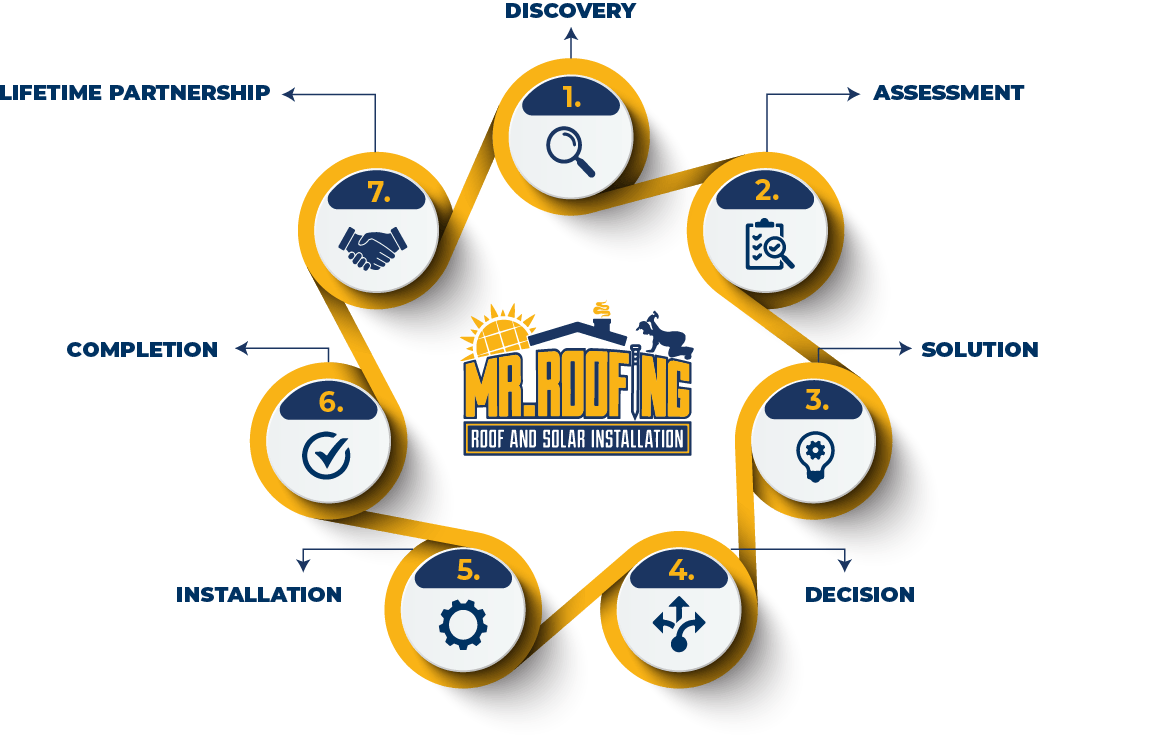 Explore Our Process
Homeowners who went through the process
"We got four quotes and Mr. Roofing was the only one who found the deck damage before starting. The others would have hit us with a change order mid-project. The final price was exactly what they said it would be."
"The cost guide on the site prepared me perfectly. I knew what questions to ask every contractor, and I understood why Mr. Roofing's bid was higher than the lowest one — better materials, real warranty, and a full scope."
"Standing seam metal was a big investment but the detail in the proposal made it easy to justify. Two years later, zero issues. I wish I'd done it twenty years ago instead of two shingle replacements."
The only number that matters is yours
No calculator or cost guide can replace an in-person inspection. Ours are free, thorough, and come with a detailed written scope — not just a number on a napkin.
Save 10% On A New Roof
Fill out the form below and get started with a free quote.